Britons advised to cut meat, air travel to reach net zero targets
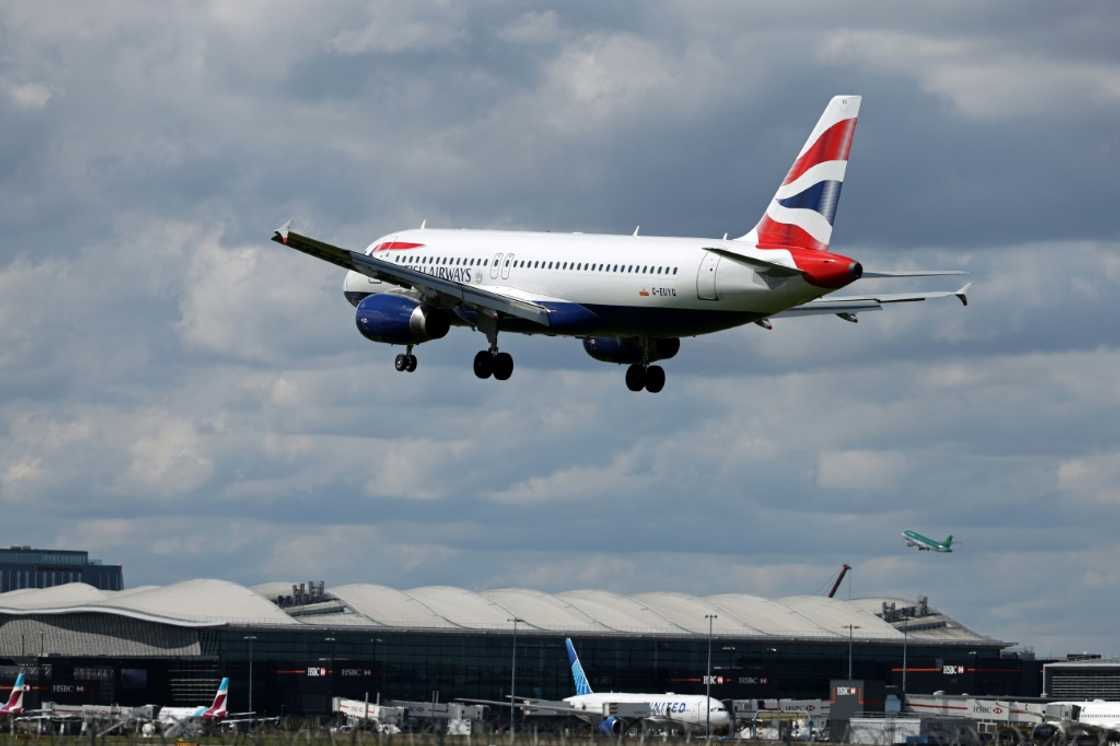
Britons may need to pay more to fly and reduce their meat consumption by the equivalent of two steaks per week in order for the country to meet its net zero targets, according to the government's advisory body, which made this suggestion on Wednesday.
The UK's 2008 Climate Change Act necessitates the government to suggest periodic, legally binding targets on the path towards attaining net zero greenhouse gas emissions by 2050.
The Climate Change Committee has been tasked with advising the government on the targets, and its seventh report was released on Wednesday.
In its proposal, the CCC recommended setting the carbon budget at 535 million tonnes of carbon dioxide equivalent for the period 2038-2042, which would necessitate a reduction in UK emissions to 87 percent below their 1990 levels.
The achievement of this objective would be a challenging goal, indicating the significance of the undertaking. However, it is achievable, as long as swift action is taken.
The largest share of emissions reductions should come from electrification and low-carbon electricity supply, as outlined by the Climate Change Committee's strategy.
The committee forecasts that offshore wind power will increase six times from 15 gigawatts in 2023 to 88 gigawatts by 2040, and onshore wind capacity will double to 32 gigawatts, as a result of "rapidly expanding the transmission grid".
It also predicts that by 2040, three-quarters of cars and vans and nearly two-thirds of heavy goods vehicles on the road will be electric, whereas in 2023, only 2.8 percent of cars and 1.4 percent of vans were electric.
The shift will be driven by the decreasing cost of batteries, it predicts.
Less meat and dairy
The report stated that the electrification of heating will play a crucial role in reducing emissions from homes, with approximately half of all heating being provided by heat pumps by 2040, up from around one percent in 2023. The report estimated the cost of achieving net zero emissions to be approximately 0.2 percent of the UK's GDP annually.
"The rollout rates needed for the adoption of electric vehicles, heat pumps, and renewable energy sources are comparable to those achieved in the past for widespread adoption of mobile phones, refrigerators, and internet connections," it noted.
Improved infrastructure will motivate more individuals to opt for alternatives to driving, whereas "considerably higher prices" will be necessary to curb demand for air travel.
According to the report, if airlines shift the costs of meeting emission targets to consumers, a round-trip flight from London to Spain could rise by approximately £150 ($190) by 2050.
Farmers should be encouraged to transition away from livestock farming, resulting in a 27 percent decrease in the number of cattle and sheep by 2040.
Consumers will be encouraged to reduce their meat and dairy intake, with a projected 25 percent decrease in average meat consumption anticipated by 2040.
According to the report, to meet the targets, consumers would need to reduce their meat consumption by an average of two fewer meat-based meals per week.
A main meal would be equivalent to a large doner kebab, a 6oz steak, or a cooked breakfast.
The government and parliament must now review the recommendations before casting their votes on what the legally-binding carbon budget should be.

Post a Comment for "Britons advised to cut meat, air travel to reach net zero targets"