Amazon signals frustration with Whole Foods' slow sales and initiates major changes
The Evolution of Whole Foods Under Amazon's Ownership
Whole Foods has long been recognized for its commitment to organic produce and its environmentally conscious customer base. However, the company’s acquisition by Amazon in 2017 sparked concerns among loyal shoppers and employees about whether the retail giant would dilute the brand’s core values.
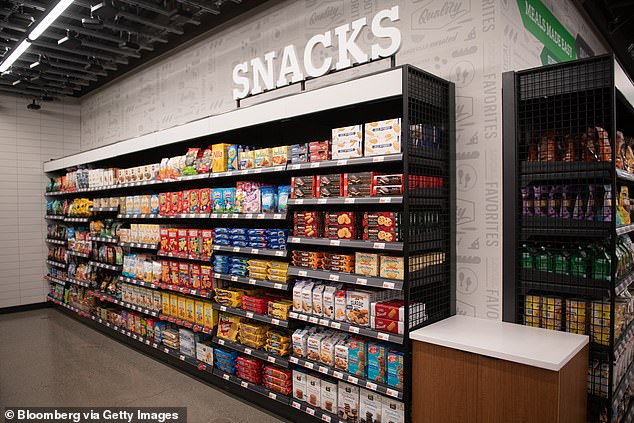
Eight years later, those fears seem to be materializing as the “Amazonification” of Whole Foods begins to take shape. In major U.S. cities, new store concepts are emerging where Amazon Grocery products, such as Pepsi and Doritos, are sold alongside the chain’s signature organic vegetables and prepared foods.
At a Pennsylvania location, customers who are dissatisfied with the available produce can use the Amazon app to request items from robots working in the back room. This innovation marks a significant shift in how Whole Foods operates.
The move comes as Amazon’s grocery business, including Whole Foods, struggles to gain market share, currently accounting for less than 4 percent. In contrast, Walmart holds a 21 percent share. Amazon now aims to expand its reach and encourage more purchases from shoppers.
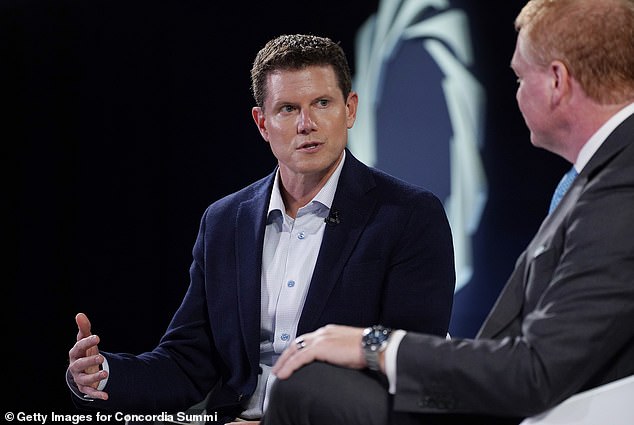
Initially, the corporate identity of Whole Foods was preserved after the sale. However, recent reports indicate that this is beginning to change. Corporate staff, though not store employees, will soon transition to Amazon’s payroll. A round of layoffs also affected Whole Foods last month, with CEO Jason Buechel attributing the changes to Amazon’s efforts to consolidate its grocery operations.
“ These changes are necessary to simplify the way we run the business across our grocery brands and allow us to invest more in delivering the best customer experience,” Buechel stated in an internal memo.
Despite these changes, Whole Foods claims that sales have grown by over 40 percent since Amazon took over, averaging around 5 percent annually. However, this growth pales in comparison to the double-digit increases seen in the early 2010s.
In 2023, the chain opened eight stores, while competitor Sprouts Farmers Market opened 30. The company asserts that the integration of corporate employees will not impact the shopping experience for customers. Yet, in suburban Philadelphia, a store is experimenting with a new layout.
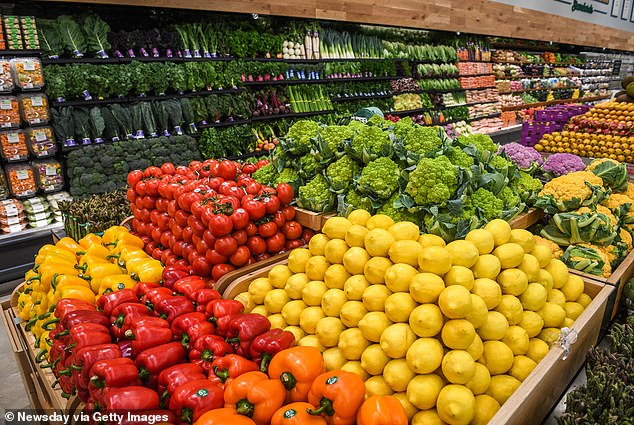
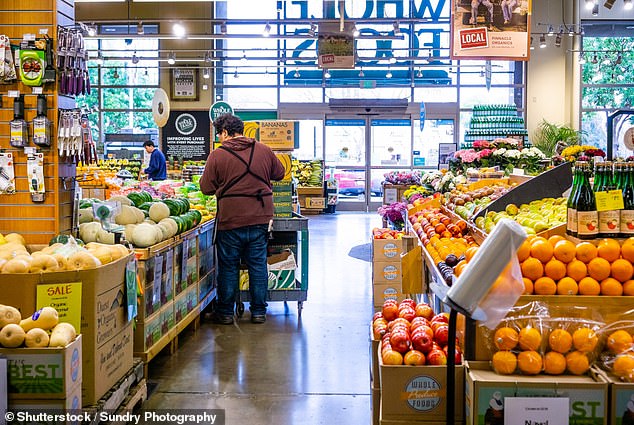
If a shopper does not find what they want among the Whole Foods produce, they can simply open the Amazon app and request an item from so-called 'ShopBots' in the back room. These robots are designed to procure items beyond Whole Food’s usual organic offerings, and will have a soda or packet of chips ready to be picked up in minutes.
In Chicago, the city's flagship store has replaced its coffee shop with a 3,800-square-foot Amazon Grocery kiosk. Here, shoppers can find everyday essentials that would not typically be available in a Whole Foods store.
The company has not announced whether it plans to roll out these experiments more widely. Buechel emphasized that Whole Foods has never wavered in its purpose: “to nourish people and the planet by offering the highest quality natural and organic foods.”
However, some workers and suppliers are concerned about how this increased integration could damage the Whole Foods brand, which has been established over the last 45 years.
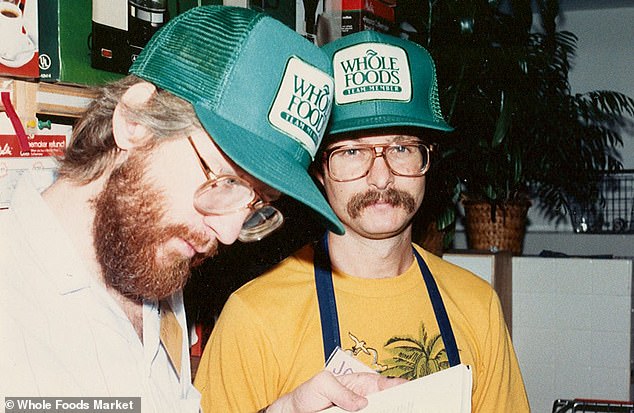
“Whole Foods has great brand equity. It's been built up over decades,” said John Foraker, CEO of Once Upon a Farm, which sells organic baby food and snack bars at Whole Foods. “If they were asking me, I'd say, 'Be super, super careful.'”
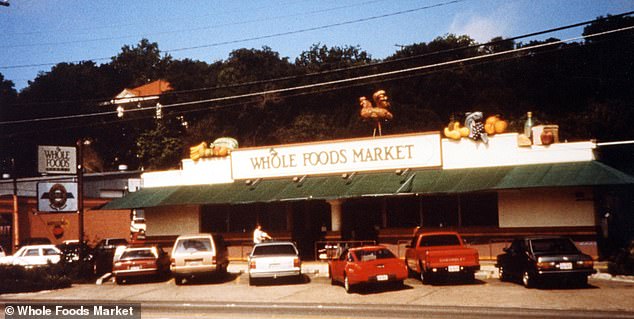
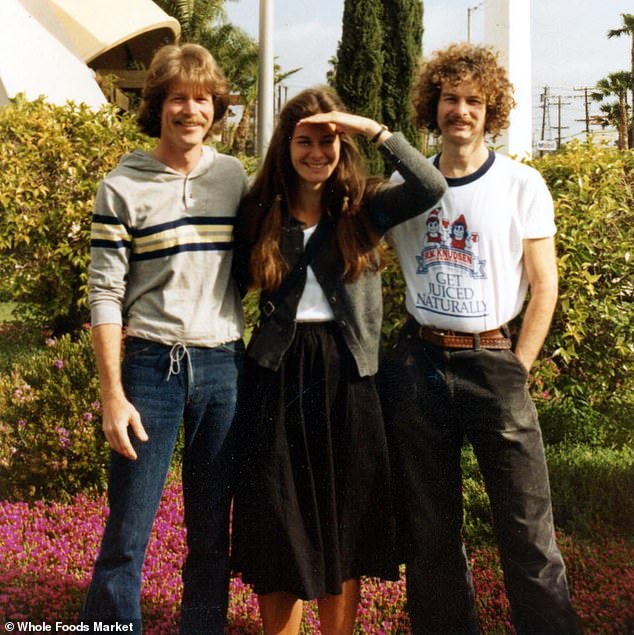
Whole Foods was established in 1980 in Austin, Texas, by co-founder and longtime CEO John Mackey. Mackey, who retired in 2022, mentioned that the company felt pressured to sell to Amazon due to an activist investor threatening to take over the board and remove him and other executives.
“We didn't want to sell to Amazon. It's just that Amazon was the best solution to a problem we had,” he told the Habits and Hustle podcast last month.
Since the sale, Whole Foods has made various changes, including laying off graphic artists who gave each location a special aesthetic, offering discounts to Prime members, and making corporate workers come into the office five days a week.
When corporate workers join the Amazon payroll in the next months, they will no longer receive bonuses based on Whole Foods' performance, but instead will receive Amazon stock. They will also lose their 20 percent in-store discount after a year, according to the Journal.
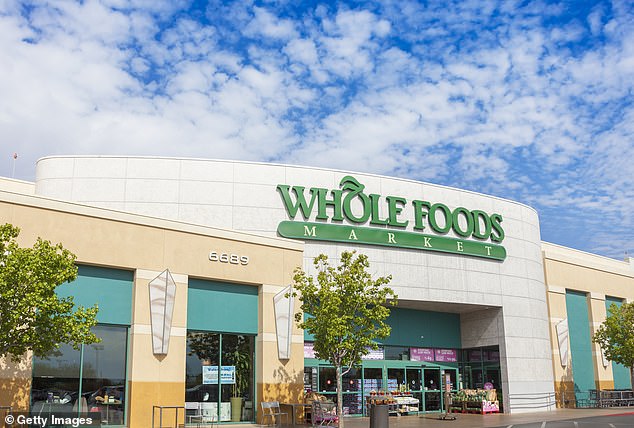
“People are very aware of the Amazonification at Whole Foods,” Ben Lovett, who works at a location in Philadelphia and is spearheading a unionization push, told the outlet. “It's become numbers-based. Amazon has immense turnover. It seems to be part of their business strategy.” Whole Foods said turnover across the company is lower than it has been in years.
When asked about complaints regarding declining quality at Whole Foods, Mackey did not mince his words. “It's not my problem any longer,” he said. “I married my daughter off to the richest man in the world.”
“I have said it before and I will say it again: despite the pictures of perfect produce that often wafted around on social media, Whole Foods was not some kind of great retailer before Amazon bought it,” said Neil Saunders, managing director of GlobalData Retail. “The chain was poor value, had mediocre service (there was a certain uppityness among some associates), ran a lot of stores that looked grubby and shabby, and was rated badly in areas like the taste of products.”
Despite having national coverage, it was a niche retailer that was irrelevant to the vast majority of Americans, he said, and its financials were "far from great."
"Amazon has not run Whole Foods perfectly, and there is a lot of room for improvement, but neither have they completely ruined it," he added.

Post a Comment for "Amazon signals frustration with Whole Foods' slow sales and initiates major changes"