Andre Agassi: Hong Kong, Comeback, and Living in the Moment
A Journey of Resilience and Reinvention
Andre Agassi, one of the most iconic figures in tennis history, has a story that spans decades of triumphs, setbacks, and personal growth. His journey is not just about winning titles but also about finding purpose beyond the court. In a recent visit to Hong Kong, Agassi reflected on his career and shared insights that continue to resonate with athletes and fans alike.
Dreaming Big and Embracing the Process
One of Agassi’s key pieces of advice is to dream while awake. "It's way too easy to dream when you're sleeping," he says. "Don't be scared to dream big because it takes as much effort to dream big as it does small." He emphasizes the importance of defining success on your own terms, noting that even when you achieve it, it might not feel the way you expected. This philosophy has guided him through both the highs and lows of his career.
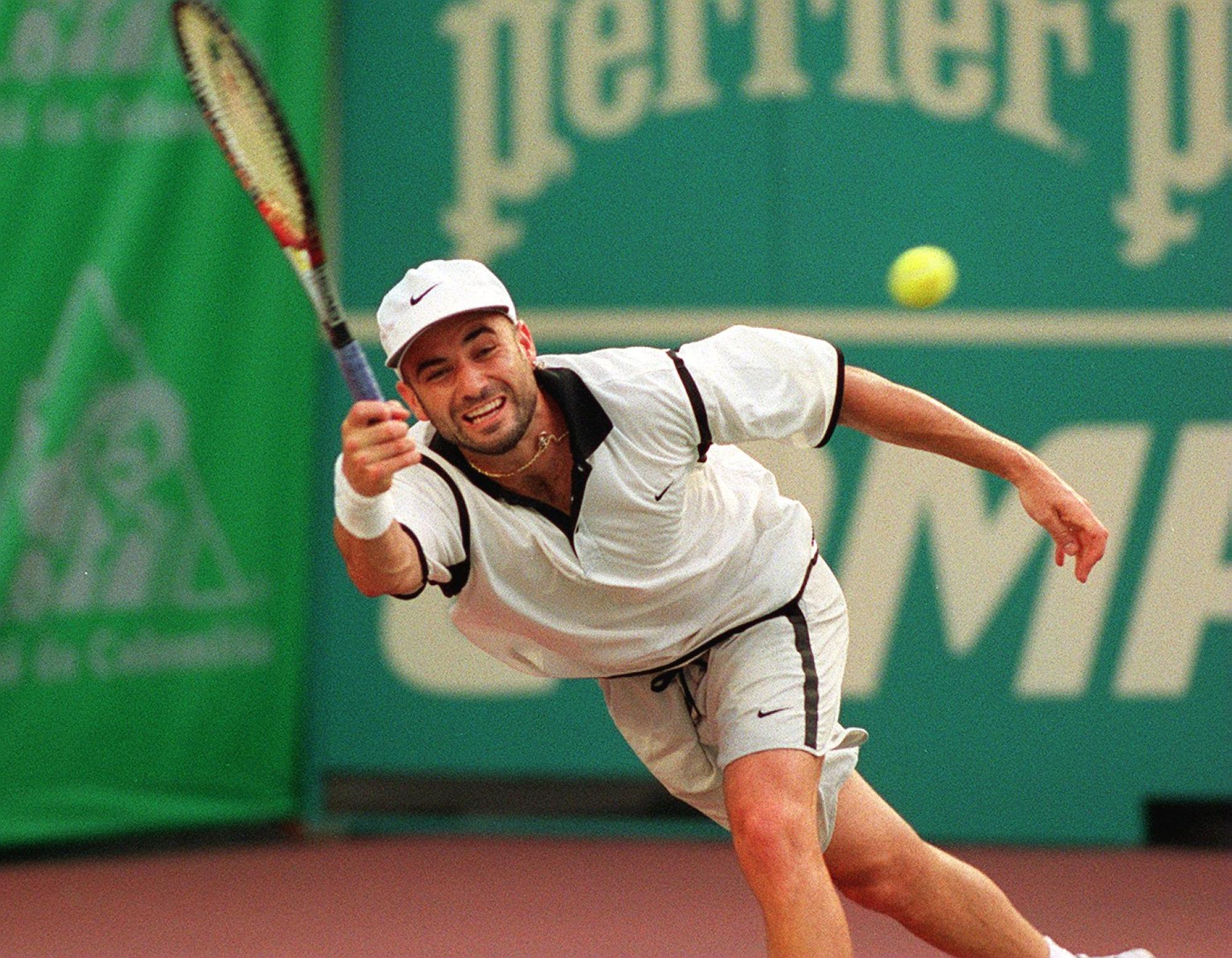
Agassi’s return to Hong Kong in October was part of the Prudential NextGen Aces event, which included a panel series and an exhibition match. For him, the city holds special significance. "Hong Kong was definitely a good-luck charm for me in 1999," he recalls. That year marked a pivotal moment in his career, as he won the Salem Open against Boris Becker. "It started me off on a path of winning, and [it] didn't seem like I stopped for a while."
A Defining Comeback
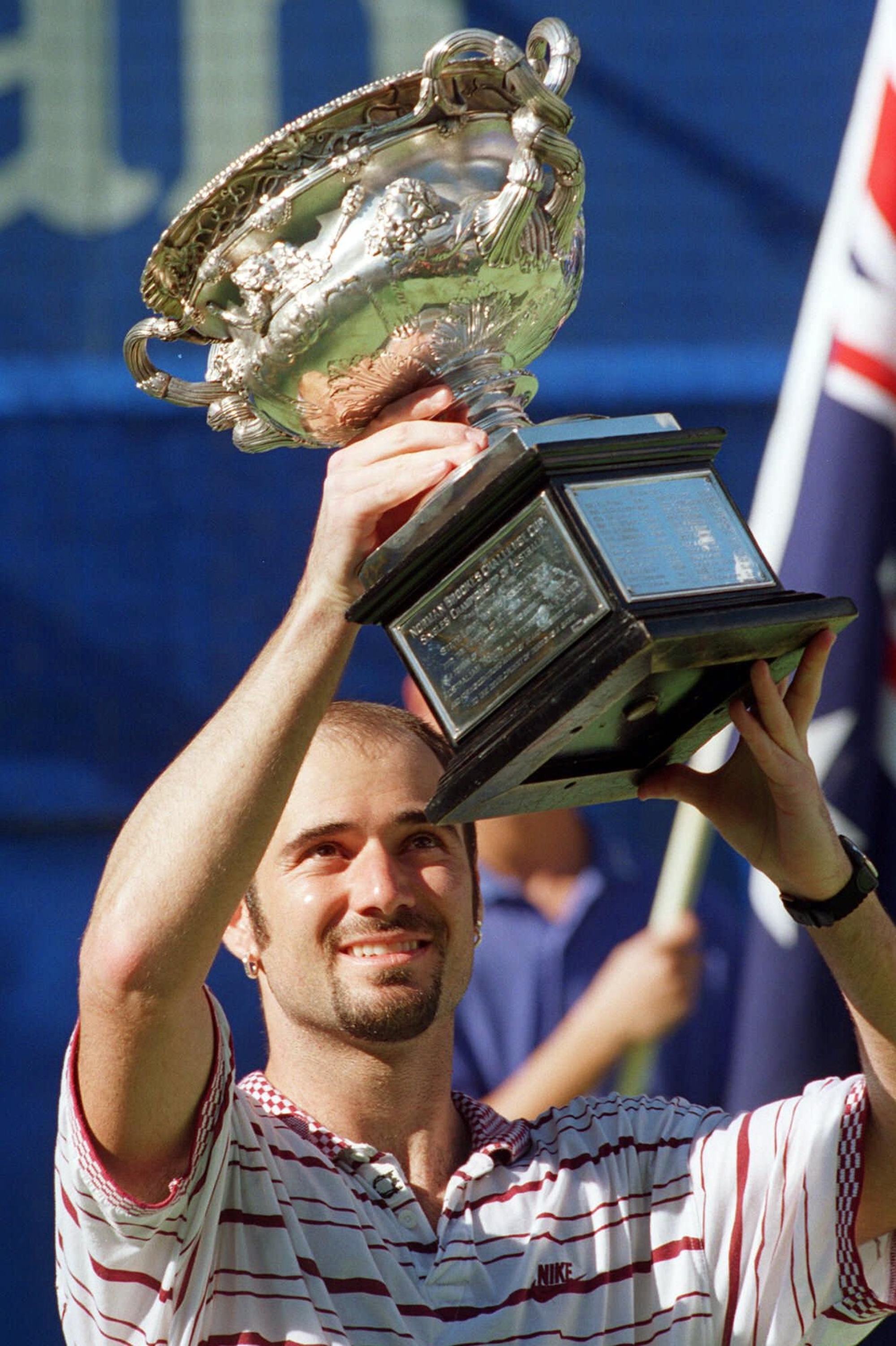
The year 1999 was more than just a successful tournament for Agassi—it was the beginning of a remarkable comeback. After dropping from the No. 1 ranking in 1995 to No. 141 in 1997, he clawed his way back to the top. The Hong Kong tournament was the first in a string of victories, including the French Open and US Open. "Falling from the top was a turning point," he says. "It was the moment that required the most resilience in my life, off the court."
This period of struggle led to deep introspection, which Agassi later explored in his 2009 autobiography, Open. In it, he candidly admitted to hating tennis—not the sport itself, but his relationship with it. Forced into the sport at a young age by his father, Agassi felt he lacked agency throughout his life. "Tennis was never really my choice," he says. At his peak, he felt at his lowest. "I wanted to quit tennis many times, but none more than that moment."
Finding Purpose Beyond Tennis
After stepping away from the sport, Agassi began to see things differently. He realized that while people don’t always get to choose their circumstances, they can take ownership of their lives. This realization led him to found the Andre Agassi Foundation for Education in 1994, aimed at supporting at-risk children. The inspiration came from watching an episode of 60 Minutes on charter schools. "There was something I identified with," he says of the students, many of whom didn’t have choices. "At my lowest point, I took out a US$40 million mortgage and began the fund."
Lessons for the Next Generation
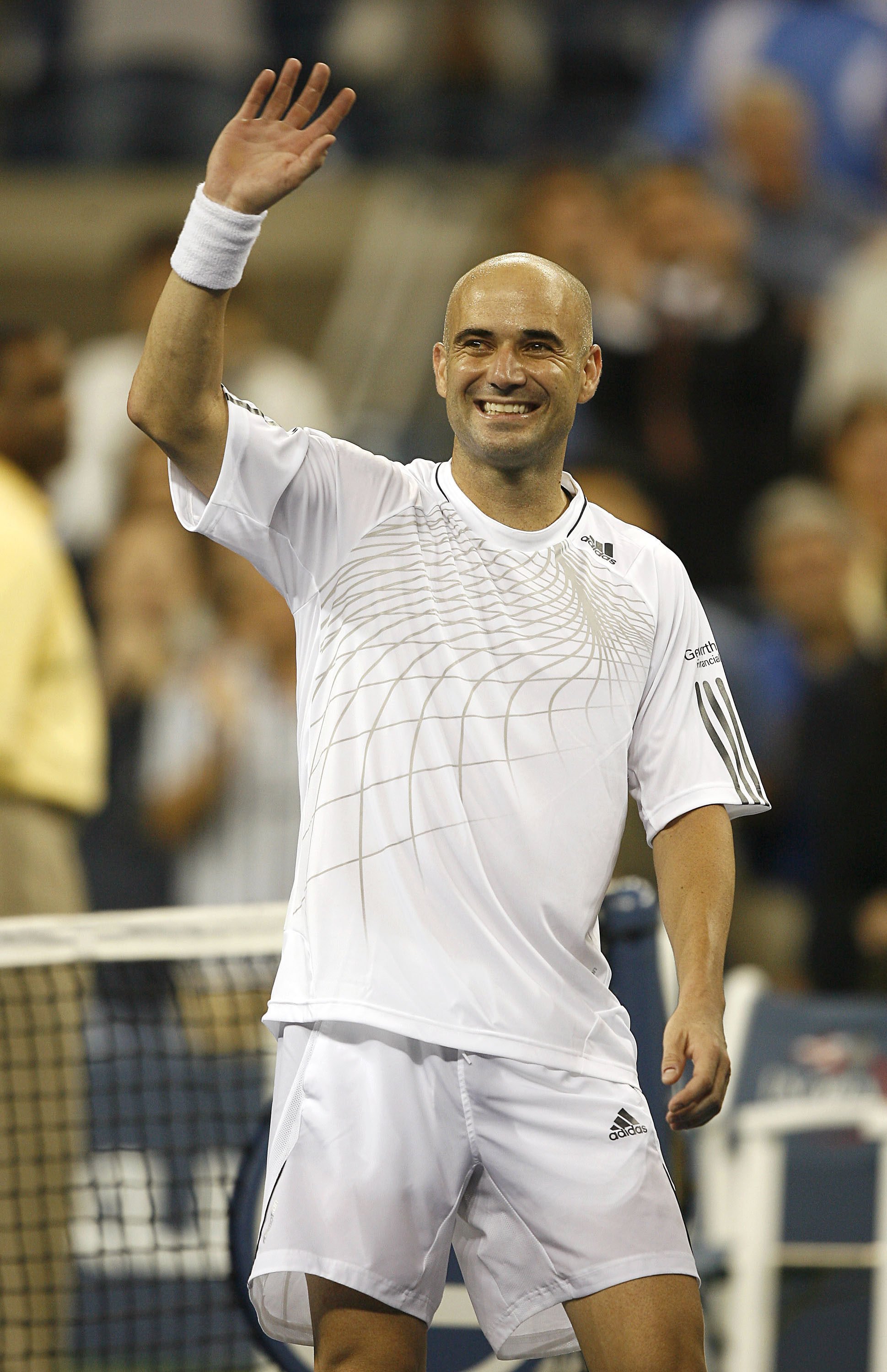
Agassi’s experiences have given him a unique perspective on what it takes to succeed. He advises the next generation of athletes to stay present and let go of what they can’t control. "Don't let results distract you from the most important part of the process, which is growing and getting better," he says. "It doesn't matter if it takes 10 or 50 years to get there, everyone has their process and that growth is a hero's journey."
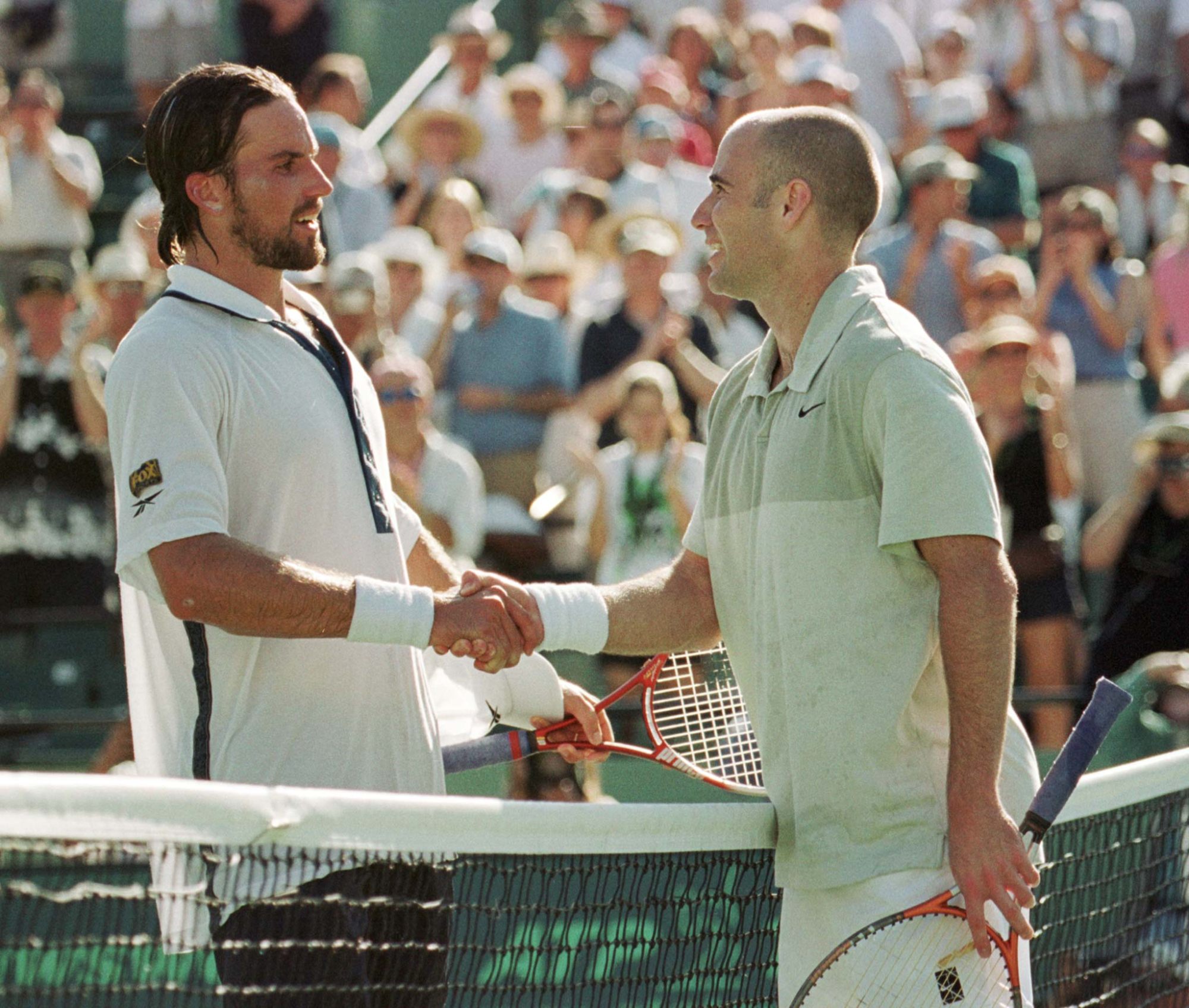
Despite his legendary status, Agassi admits he has regrets. "Wasted time spent on worrying about my hair," he says with a laugh. But he also reflects on the relationships that shaped his career. When asked who brought out the best in him, he points to Patrick Rafter. "His game was the opposite of mine," he says. "A bit like Pete (Sampras), but he did it in a way that allowed me to really dial in my shots."
Insights from the Laver Cup
As a Laver Cup captain, Agassi found joy in connecting with the players. "Getting to know the boys, the players, over the course of not just that week, but the year leading up to it," he says. "Understanding how they process things, learning first-hand what helps them be the best of themselves, and hopefully giving them a little something that can help them be even better."
If he could steal any technique from another player, Agassi would choose pure speed. "Moving better would have given me so many more options," he says. He admires players like Carlos Alcaraz and Tommy Paul for their court coverage.
Favorite Memories and Advice
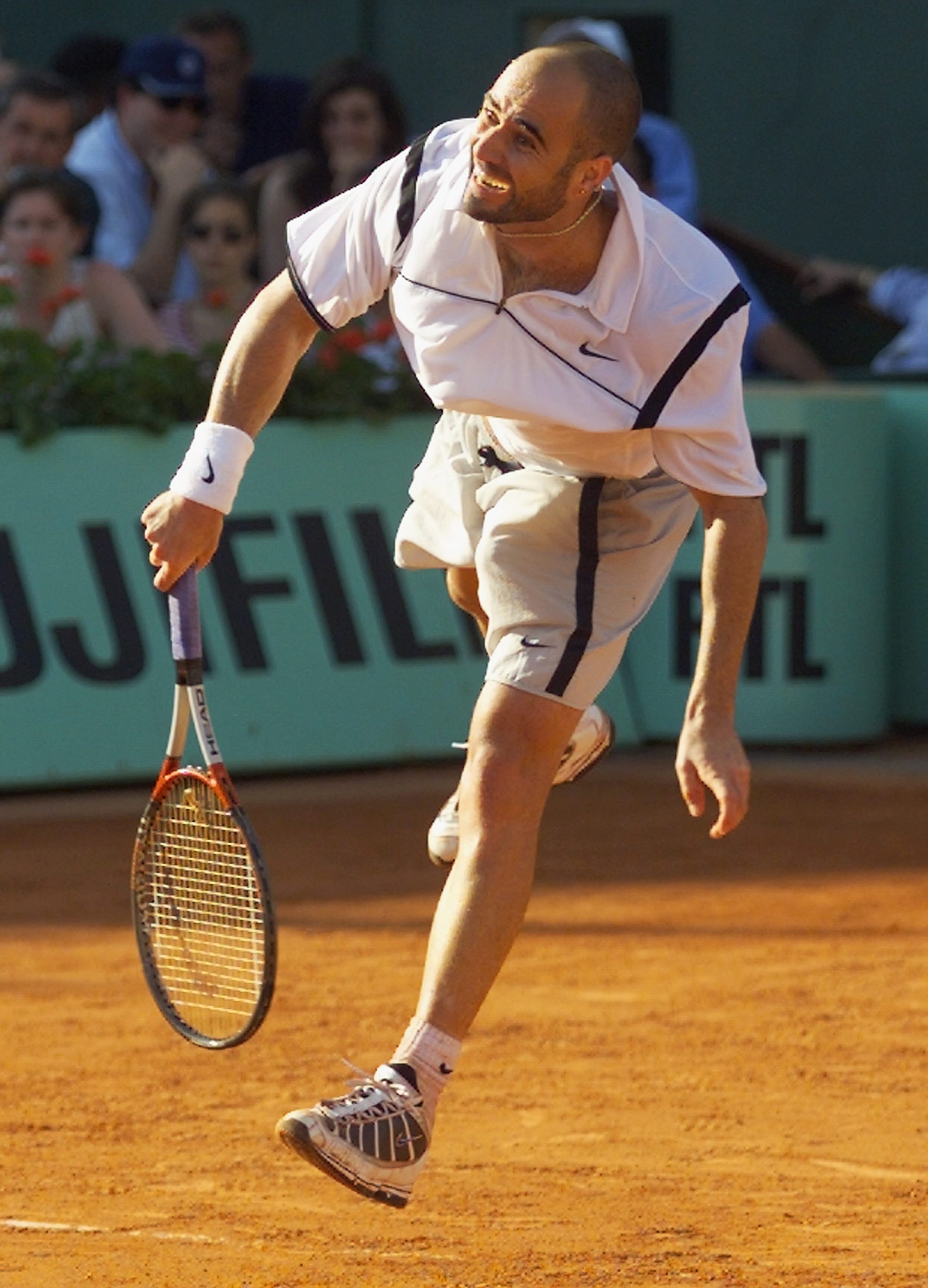
Agassi’s favorite on-court memory is winning the French Open in 1999. "It was the one I could have won first, probably a decade earlier," he says. "Then I found myself in the finals and ended up winning it. It felt like a long time coming."
When asked about the best advice he’s received, Agassi credits the importance of living in the present. "Not worrying about the future or the past is quite a skill set," he says. "Anxiety comes from future-tripping—worrying about something that hasn't happened—and that's a very lonely place to live."
A Taste of Grease and Salt
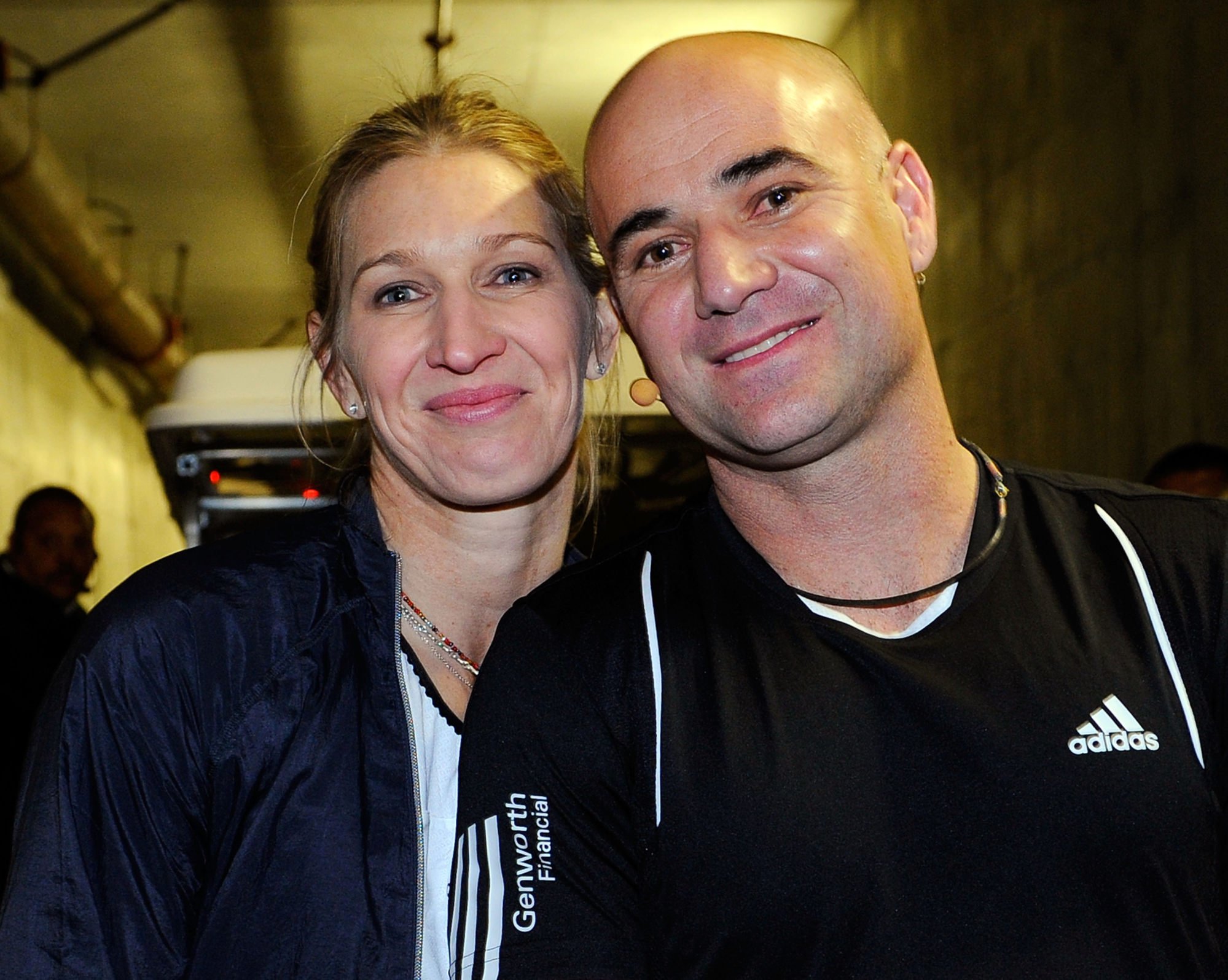
For Agassi, comfort food is all about grease and salt. "My cravings are all greasy," he says. "I would go with really salty, thin French fries or even nachos with cheese and all sorts of stuff." While his wife, Steffi Graf, prefers sweets, Agassi’s tastes lean toward the indulgent.

Post a Comment for "Andre Agassi: Hong Kong, Comeback, and Living in the Moment"